
Bees handled safely and humanely.
Bees are vital pollinators, so we don't just exterminate. We identify the species and remove or relocate them safely, protecting your family and the bees at the same time.
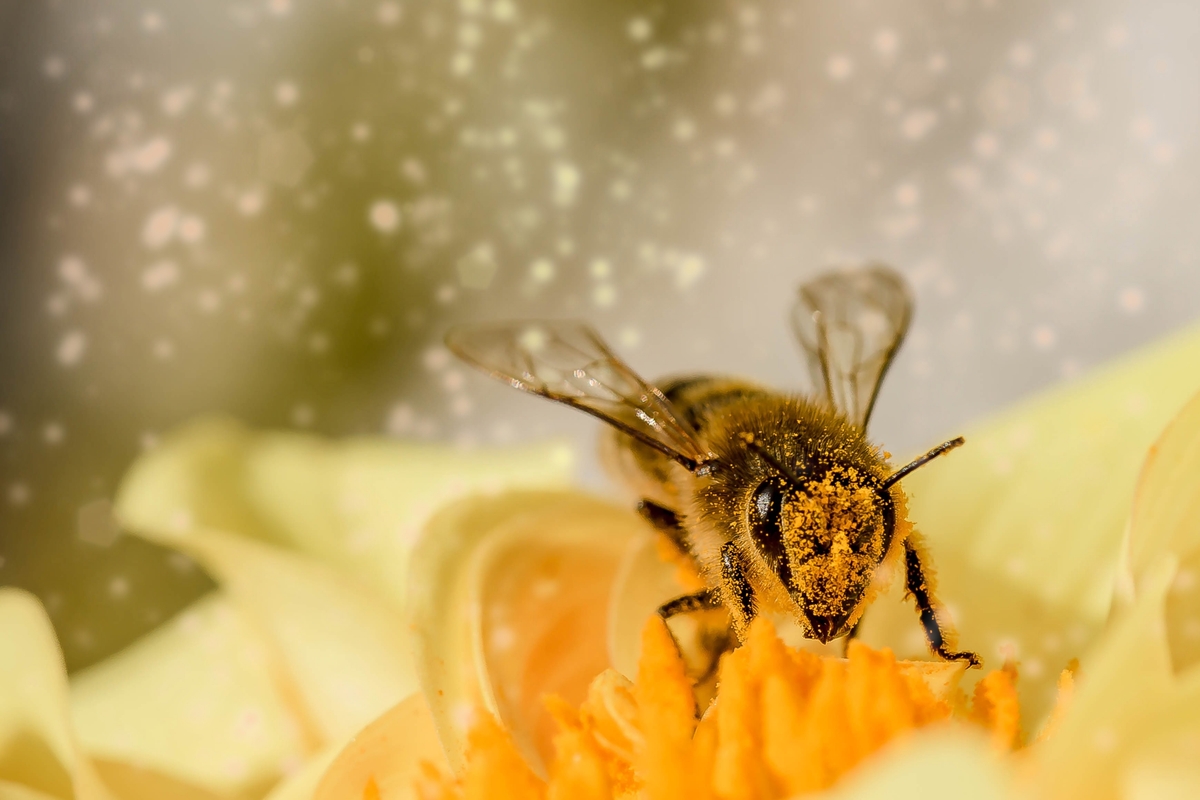
A few scouts can mean a hive nearby.
Entry points and shelter
Wall cavities, attics, and chimneys offer the warm, sheltered spots that bees love to move into.
A nearby hive
Bees in walls or roofs often mean a colony has established itself on or near your home.
A temporary swarm
When a colony splits, hundreds or thousands of bees cluster on a tree or wall while they look for a new home.
Safe for your family, and the bees.
Identify the species
Different bees need different handling. We confirm the species and locate the hive or entry points.
Assess the risk
We check for allergy risk, hive size, and location, then recommend safe removal or humane relocation.
Remove or relocate
Using the right tools and protective equipment, we resolve the infestation while minimizing harm.
Seal and prevent
We help identify the openings that let them in, so a new swarm doesn't move into the same spot.
Think you have a bee problem?
Concerned about a hive or swarm? Call a RAYMAX Bee Specialist at 800-893-1124 and we'll handle it safely.
Where they come from, and why DIY can be dangerous.
Understanding bees helps you act safely. Tap any topic to learn more.
Entry points and shelter+
Bees are drawn to warm, sheltered spaces. Wall cavities, attics, and chimneys all provide ideal shelter from the elements. If bees are entering consistently, look around outside for the large and small holes they might be using.
A nearby hive or nest+
If there's a hive nearby, bees may enter your home by mistake or while searching for food and water. Bees in walls, attics, or roofs can mean a colony has set up on or near the structure. Common hive spots are trees, chimneys, roofs, sheds, bushes, and enclosed spaces.
A temporary swarm+
A swarm happens when a colony splits and a group of bees leaves with a new queen to find a new home. Hundreds or thousands can cluster together on trees, buildings, or structures. Swarms near homes or busy areas can cause concern and may need safe relocation by professionals.
Can I do it myself?+
Trying to handle a bee infestation yourself can be dangerous and ineffective. Bees are essential pollinators, and improper handling can harm them and cause aggressive swarming, leading to serious injuries or allergic reactions. Professionals can identify the species and use safe, humane removal or relocation methods, protecting both you and the bees.
When to call a professional+
Call as soon as you notice an infestation. A professional can identify the bees and choose the best course of action, and with the right tools and protective equipment they minimize the risk of stings and allergic reactions. If the hive is especially large, act ASAP. Because of allergy risk, handling bees quickly is always your safest move.
Answers before you even ask.
Do you kill the bees or relocate them?+
Is it safe if someone in my home is allergic?+
There's a swarm in my yard, what do I do?+
How fast can you come out?+
Handle it the safe way.
Get a free, no-pressure quote in minutes, or call and talk to a real person right now.