
Roaches out, and kept out.
Roaches multiply fast and hide in places you can't reach, especially in shared buildings. We find the source, treat it properly, and help you keep them from coming back.
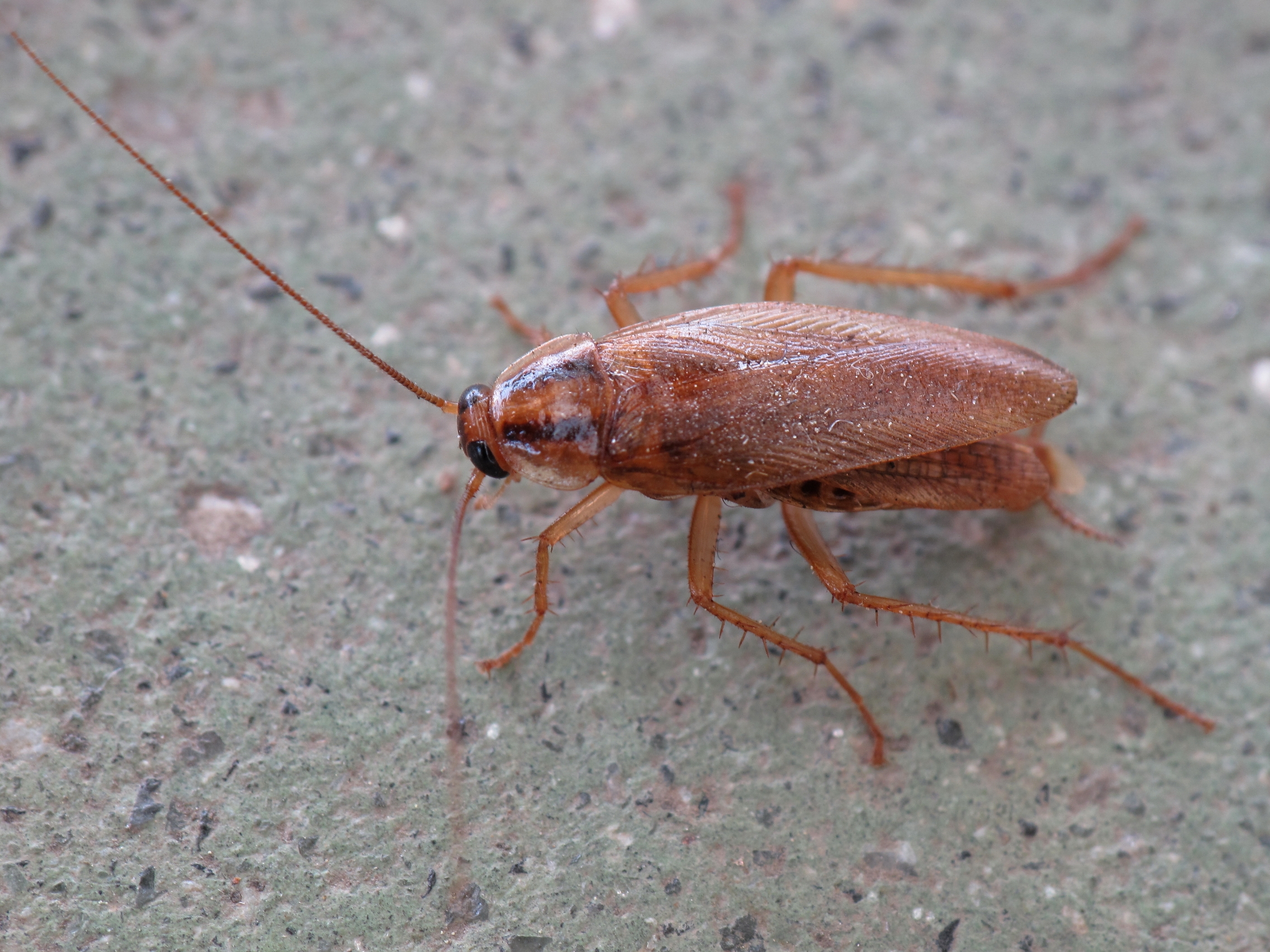
Food, clutter, and hidden hitchhikers.
Organic matter and food
Crumbs, grease, trash, pet waste, even cardboard and book glue all feed roaches and keep them around.
Clutter and humidity
Cluttered, damp spaces give roaches the breeding spots they love, including overwatered potted plants.
Travel and shared walls
Roaches hitch in on luggage and appliances, and in apartments they spread through shared walls and plumbing.
Find the source, not just the runners.
Inspect and identify
We confirm the roach species and find the harborage areas, entry points, and conditions feeding the problem.
Build a plan
A targeted plan based on your situation, whether you're in a single home or a shared building with more to manage.
Treat the harborage
Pet-safe and family-safe products placed where roaches hide and breed, reaching the spots sprays and bombs miss.
Follow up and protect
Roaches are persistent. We follow up to confirm they're gone, and if they return between visits, so do we, at no extra cost.
Think you have a roach problem?
Seeing roaches in the daytime usually means a large population. Call a RAYMAX Specialist at 800-893-1124.
What feeds them, and why DIY often fails.
Roaches are one of the toughest pests to fully eradicate. Tap any topic to learn more.
Organic matter and food+
Roaches are attracted to all kinds of organic matter: human food, trash, and pet waste, plus harder-to-clean sources like grease and food residue on appliances. They'll chew through unsealed packages in the pantry, and even feed on unexpected sources like the binding glue in books and cardboard.
Clutter and humidity+
Roaches thrive when a home is heavily cluttered or unsanitary, since that gives them plenty of breeding areas. Plants themselves usually aren't the issue, but moist soil and organic material in pots can attract them, especially if you overwater and create humidity.
Travel, appliances, and shared walls+
Roaches enter through travel, appliances, and shared spaces. They hitch a ride in luggage or bags from infested hotels and public areas, hide in the warm crevices of used or even new appliances, and in apartments they travel through shared walls, plumbing, and vents from one unit to the next, even if your space is clean.
Can I do it myself?+
It depends. Do you live in a house or a shared building? In a house, if you can remove all food sources, deep clean every surface, discard harborage material, and keep sanitary conditions for at least two months, you might be okay. In a shared building, fully eradicating roaches on your own is next to impossible, especially if neighbors don't do their part. Your best bet is a free inspection so an expert can tell you what to expect.
When to call a professional+
If you've spent more than $100 trying to DIY, you've already spent too much. Large or recurring infestations usually mean roaches have been thriving unseen for a while. For prevention, a recurring plan protects you year-round, or a strategic one-time spray every 4 to 6 months keeps them at bay. A professional can tell you why, when, and how they're getting in, and solve it in one coordinated effort.
Answers before you even ask.
Why do roaches keep coming back after I spray?+
I keep my home clean, so why do I have roaches?+
Are treatments safe for my family and pets?+
Should I do a one-time treatment or the monthly plan?+
Take back your home.
Get a free, no-pressure quote in minutes, or call and talk to a real person right now.