
Fewer spiders starts with fewer bugs.
Spiders are hunters, so they show up where other pests already live. We treat the whole problem, the spiders and the insects they came to eat, so they lose their reason to stay.
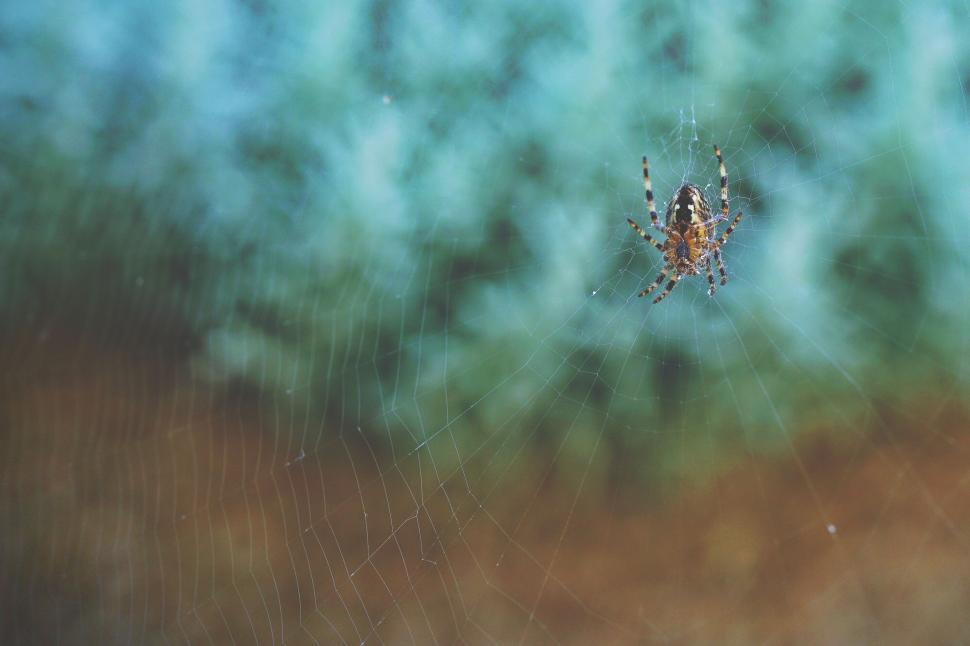
They come for the bugs you already have.
A food supply
Spiders are predators. Flies, ants, and roaches draw them in, and a hunting ground with prey keeps them around.
Quiet, dark corners
Undisturbed spots behind furniture and cabinets make ideal places to build webs and nest unnoticed.
Weather and moisture
Cooler months push spiders indoors, and some species are drawn to the humidity in bathrooms and basements.
Remove the spiders, and their food.
Inspect and identify
We confirm the spider types, find their webs and harborage, and look for the other pests drawing them in.
Build a plan
A targeted plan that treats the spiders and the underlying insect problem feeding them at the same time.
Treat and knock down webs
Pet-safe and family-safe products in the right spots, plus clearing webs and treating entry points and corners.
Follow up and protect
Cut off the food supply and the spiders move on. We follow up, and if they return between visits, so do we, at no extra cost.
Think you have a spider problem?
Seeing more webs than usual? Call a RAYMAX Specialist at 800-893-1124 and we'll treat the whole problem.
What draws them in, and how to keep them out.
Spiders almost always point to another pest problem. Tap any topic to learn more.
Food sources+
Spiders are predators, so the presence of other insects like flies, ants, or cockroaches attracts them. Even a small pest population gives them a reason to come hunt. Some, like the wolf spider, actively hunt instead of spinning webs, and a home with plenty of hiding places and prey makes an ideal hunting ground for them to settle in.
Untouched corners and lights+
Spiders prefer dark, undisturbed corners, so spots behind cabinets, under the bed, or behind large furniture that isn't moved or cleaned often become prime web and nest sites. Spiders aren't drawn to light themselves, but their prey is, so indoor and outdoor lights pull in flying insects, which in turn attracts spiders looking for an easy meal.
Weather and moisture+
During cooler months or sudden weather changes, spiders seek shelter indoors for warmth and protection, so you may notice more of them as the seasons shift, especially in autumn. Certain species are also drawn to moisture, which makes humid areas like bathrooms, basements, and kitchens appealing, particularly where there are leaks or condensation.
Can I do it myself?+
For the occasional spider, yes. Knock down webs, vacuum regularly, declutter, and seal cracks around doors and windows. The most important step is removing their food, since spiders won't stay where there's nothing to hunt. If you keep seeing them, it usually means there's an insect problem underneath that needs to be addressed too.
When to call a professional+
Call a pro if spiders keep returning, if you're seeing them throughout the home, or if you spot a species you're concerned about. A professional treats the spiders and the insects feeding them in one coordinated effort, clears webs and harborage, and helps seal the entry points so they don't simply move back in.
Answers before you even ask.
Why do I suddenly have so many spiders?+
Will treating spiders also help with other bugs?+
Are the spiders in my home dangerous?+
Are treatments safe for my family and pets?+
Clear the corners.
Get a free, no-pressure quote in minutes, or call and talk to a real person right now.