
Quiet nights, cricket free.
Crickets sneak in for shelter, light, and food, then breed in the dark corners of your home. We clear them out and help seal up the gaps that let them in.
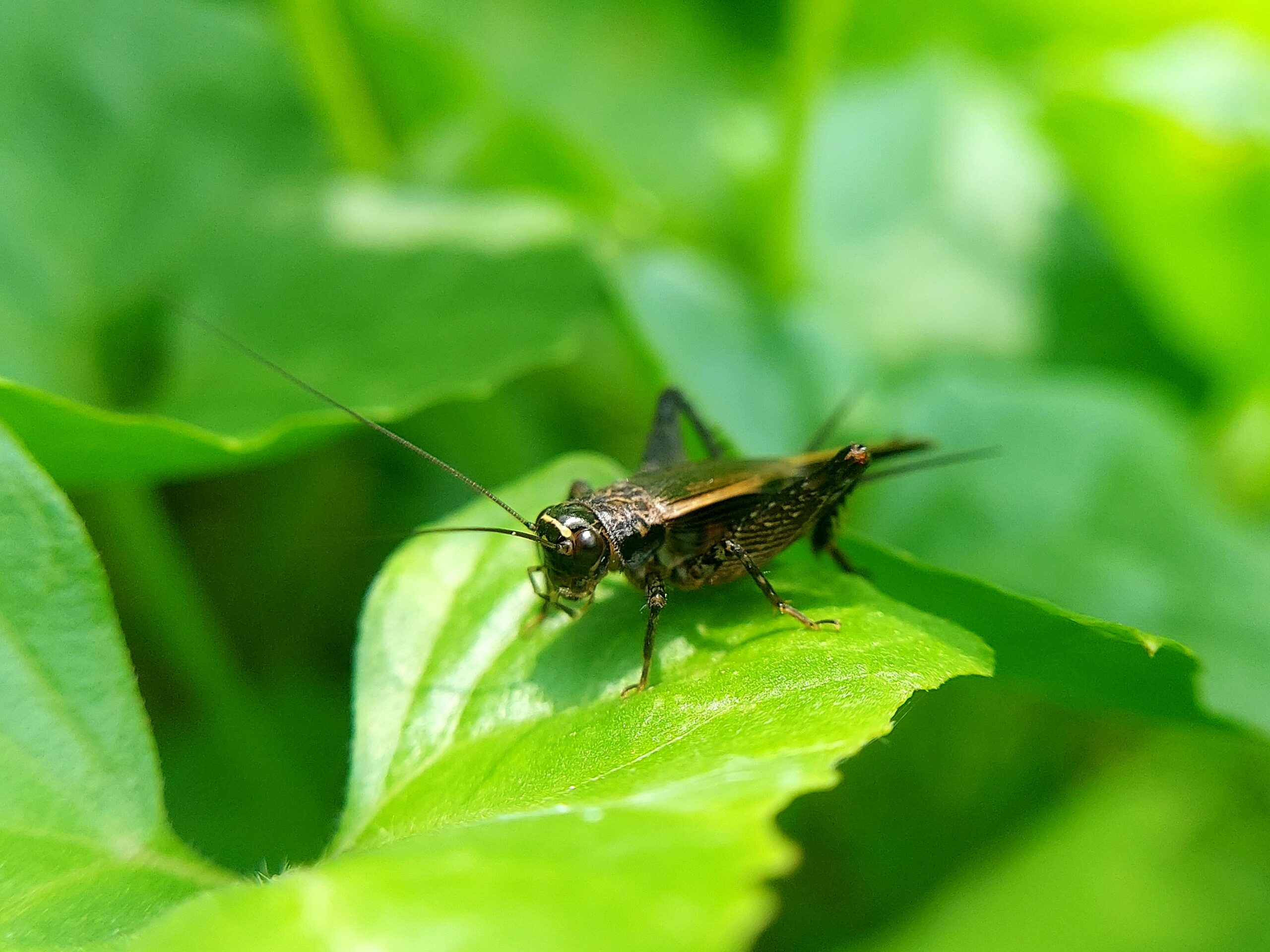
They come in for shelter, light, and food.
Shelter and entry points
Crickets slip in through cracks, gaps, and poorly sealed doors, then breed in dark, damp, undisturbed spots.
Light and yard habitat
Bright lights draw them toward the house, and overgrown grass or mulch nearby gives them a base to move in from.
Food and weather
Crumbs, pet food, and even paper attract them, and harsh weather pushes them indoors for better conditions.
Clear them out, and close the door.
Inspect entry and harborage
We find the cracks, gaps, and damp, dark areas where crickets get in and breed, indoors and around the home.
Build a plan
A targeted plan that treats the crickets you have and addresses the light, moisture, and food drawing them in.
Treat and seal
Pet-safe and family-safe products in the right spots, including the wall voids and cracks traps can't reach.
Follow up and protect
We follow up to confirm they're gone. If they return between visits, so do we, at no extra cost.
Think you have a cricket problem?
Crickets keeping you up at night? Call a RAYMAX Specialist at 800-893-1124 and we'll track down the source.
What draws them in, and how to keep them out.
Crickets are manageable once you know what attracts them. Tap any topic to learn more.
Shelter and entry points+
Crickets enter homes seeking shelter and safety from predators and harsh weather, slipping in through cracks, gaps, or poorly sealed doors and windows. Once inside, they thrive in stable, dark, undisturbed areas ideal for breeding, especially damp or humid spots like basements, bathrooms, and kitchens.
Light and nearby habitat+
Bright outdoor lights or lit interiors visible from outside draw crickets toward your home. Outdoor habitat like overgrown grass, mulch, or vegetation near the house gives them a base, increasing the chance they move indoors.
Food and weather+
Crickets invade searching for food like crumbs, pet food, or organic material such as paper and plants. Seasonal changes and extreme weather, like heavy rain, intense heat, or cold, also drive them indoors as they look for better living conditions.
Can I do it myself?+
Yes, DIY is possible for crickets. Sticky traps or bait stations help catch the ones already indoors. Outside, keep grass trimmed and avoid leaving woodpiles or debris near the home. Natural repellents like peppermint or cedar oil can deter them too. Regular maintenance and vigilance can reduce cricket numbers without professional help.
When to call a professional+
DIY may not be enough for a significant infestation. Crickets hide in hard-to-reach places like wall voids and basements, which makes them tough to target with traps or repellents, and improper pesticide use is often ineffective. Professionals have the knowledge, tools, and products to address an infestation properly.
Answers before you even ask.
Why can I hear crickets but never find them?+
Are crickets harmful?+
Can I get rid of them myself?+
Are treatments safe for my family and pets?+
Get your quiet back.
Get a free, no-pressure quote in minutes, or call and talk to a real person right now.